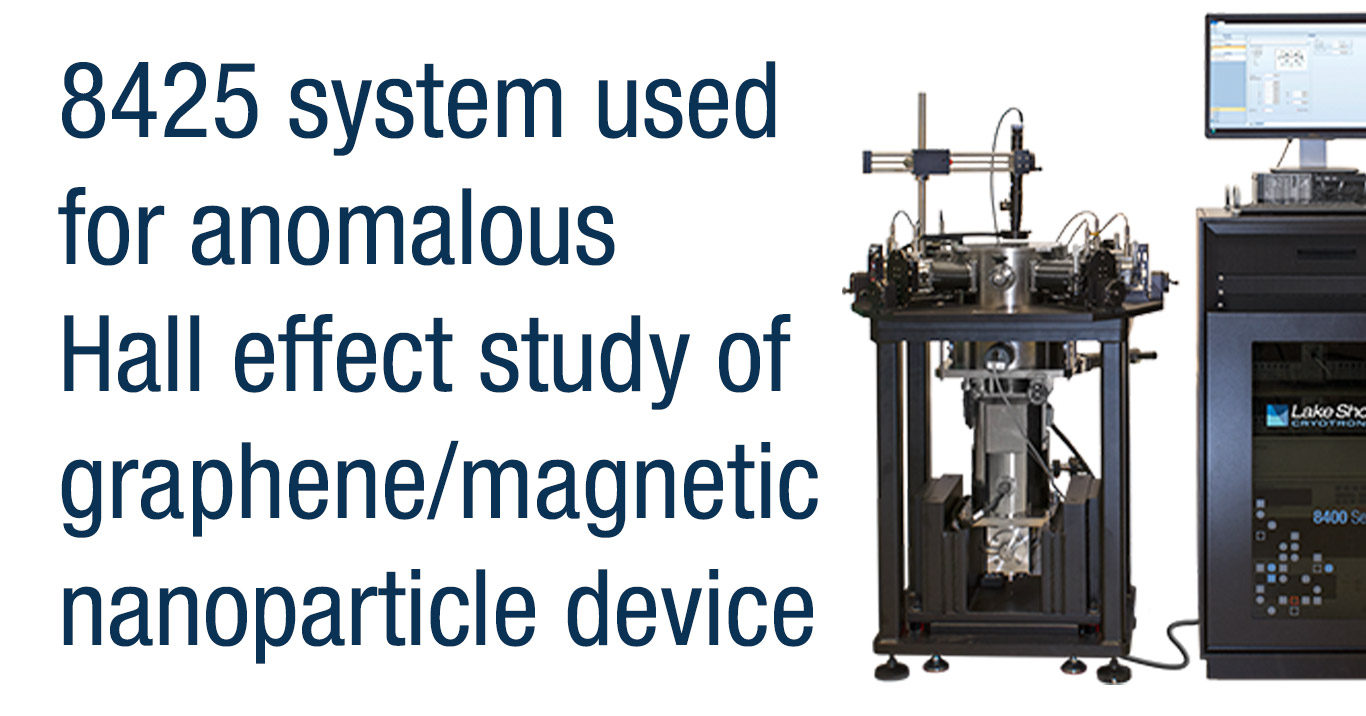

CS Nano Letters paper references use of 8425 system with cryogenic probe station for anomalous Hall effect study of graphene/magnetic nanoparticle device
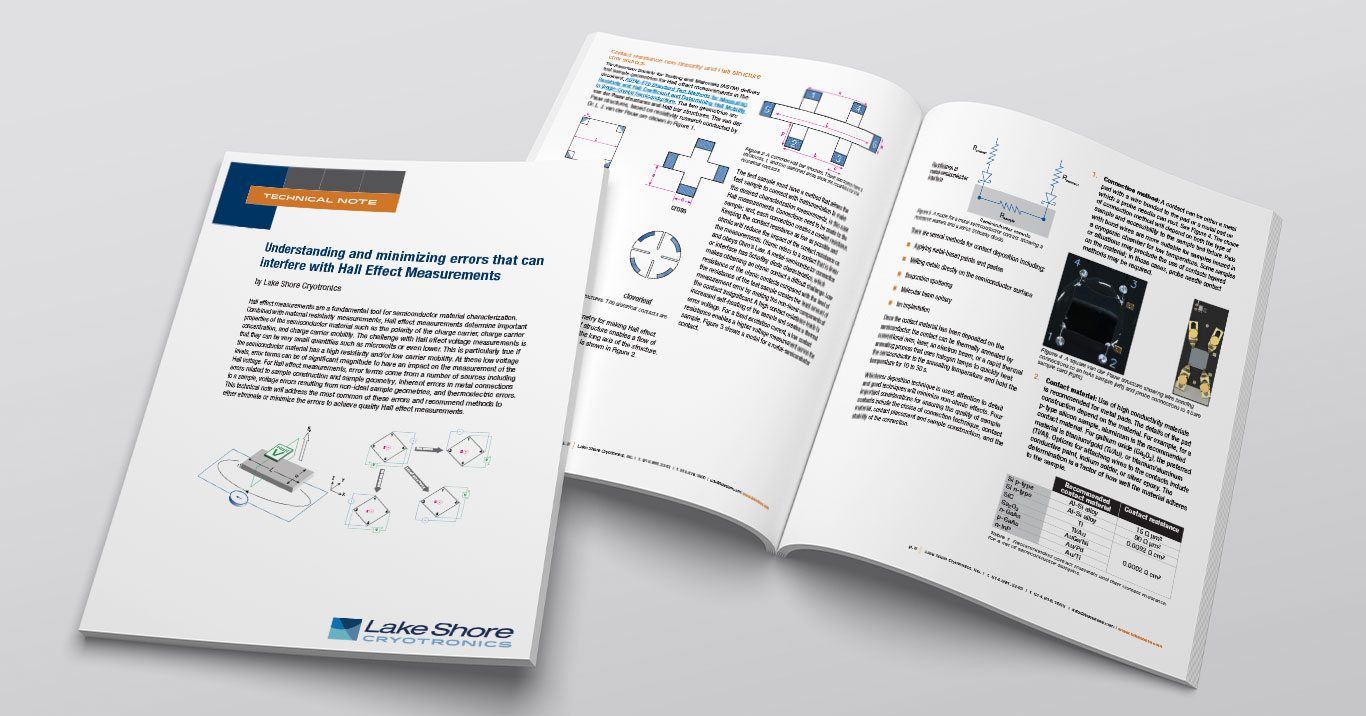
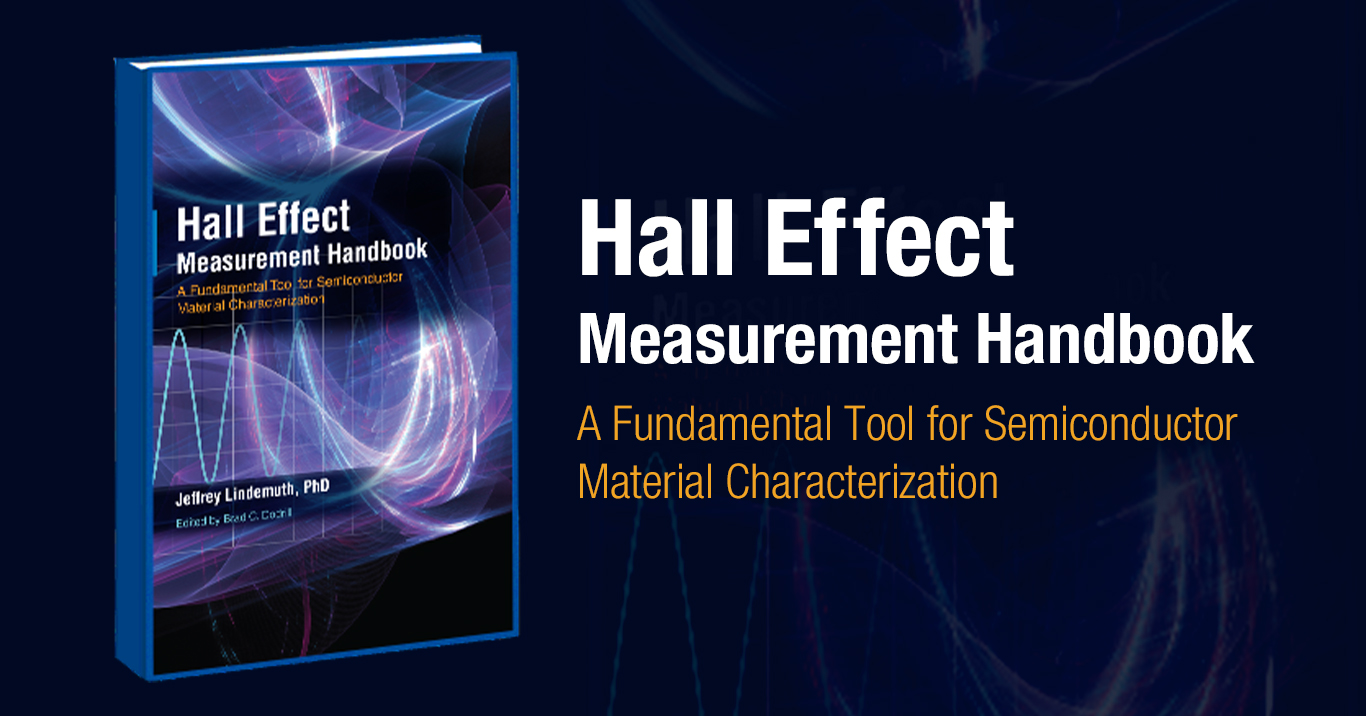
In this Lake Shore Academy video, we discuss the Hall effect and explore the procedure of conducting Hall effect measurements on a semiconductor material.
Many product specifications are designed to sell rather than inform, often omitting key details like long-term accuracy, environmental conditions, or statistical confidence. To avoid misleading claims, critically compare specs across manufacturers and look for transparency in how performance is measured and reported.
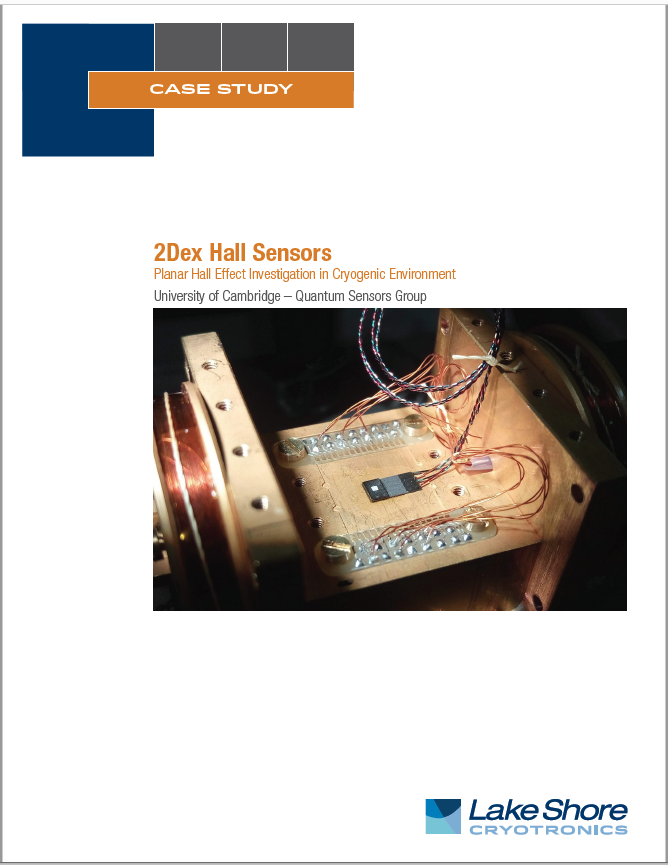
A case study examines how our 2Dex™ Hall sensor, in combination with our F71 teslameter, enabled the Quantum Sensors Group at Cambridge University to verify their experimental 3-axis field generator setup — without experiencing noticeable error due to PHE.
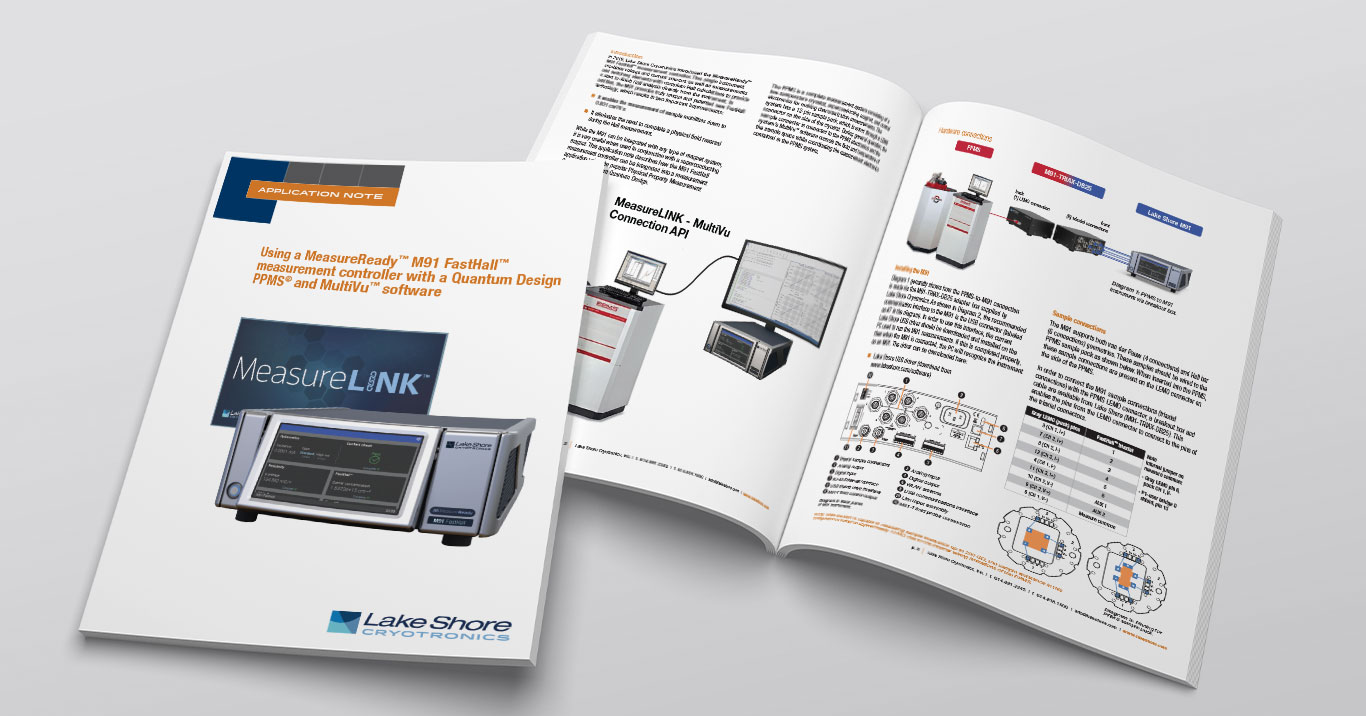
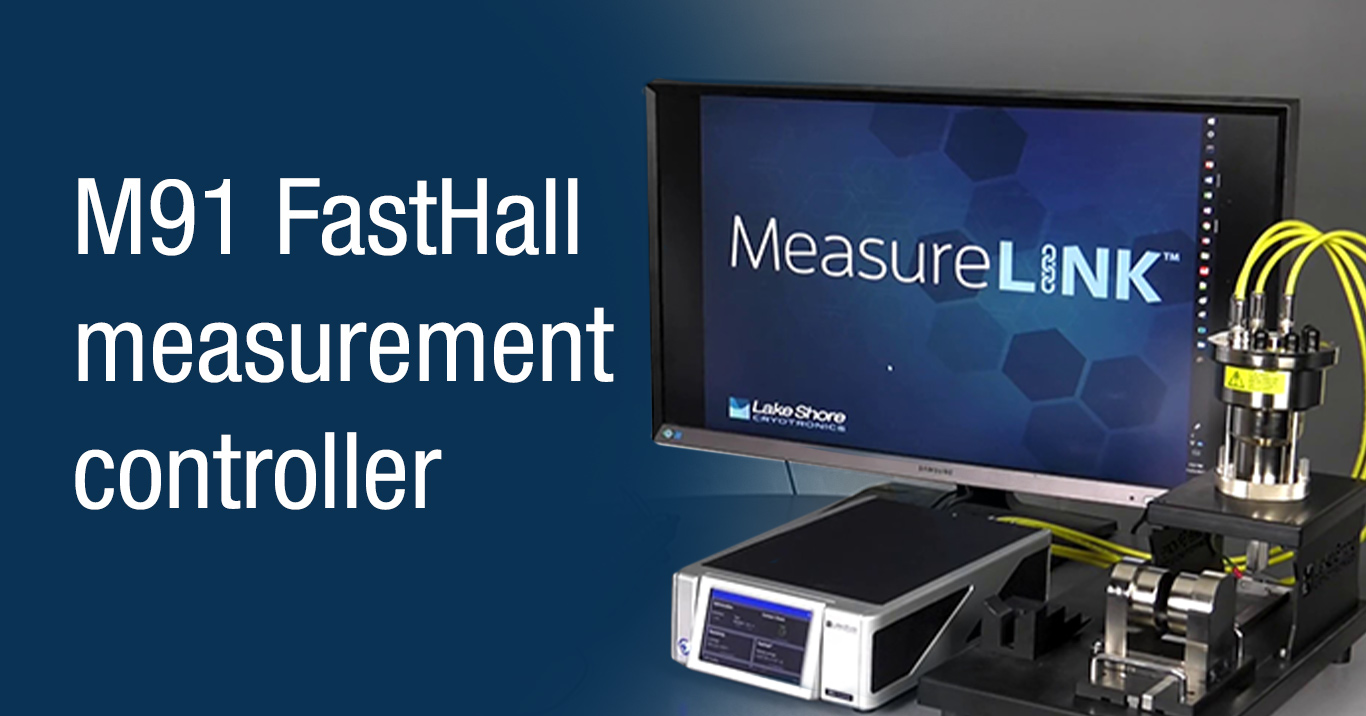
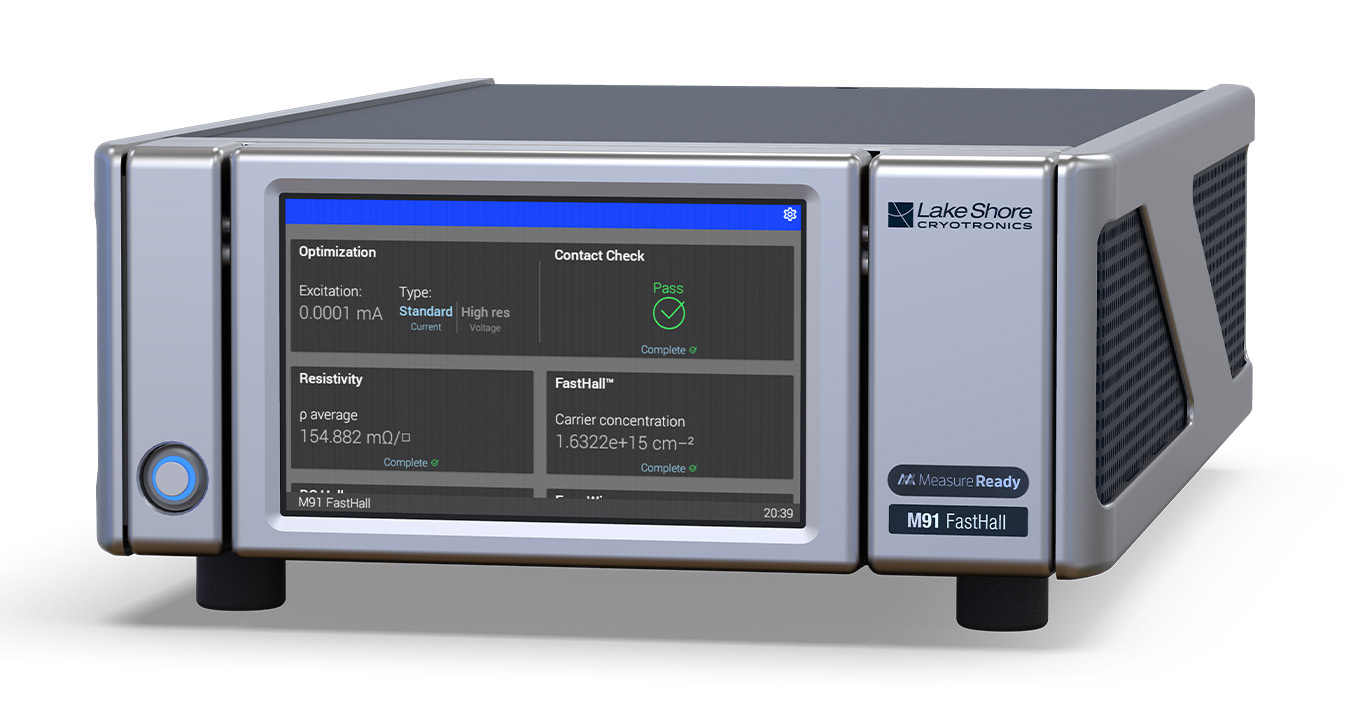
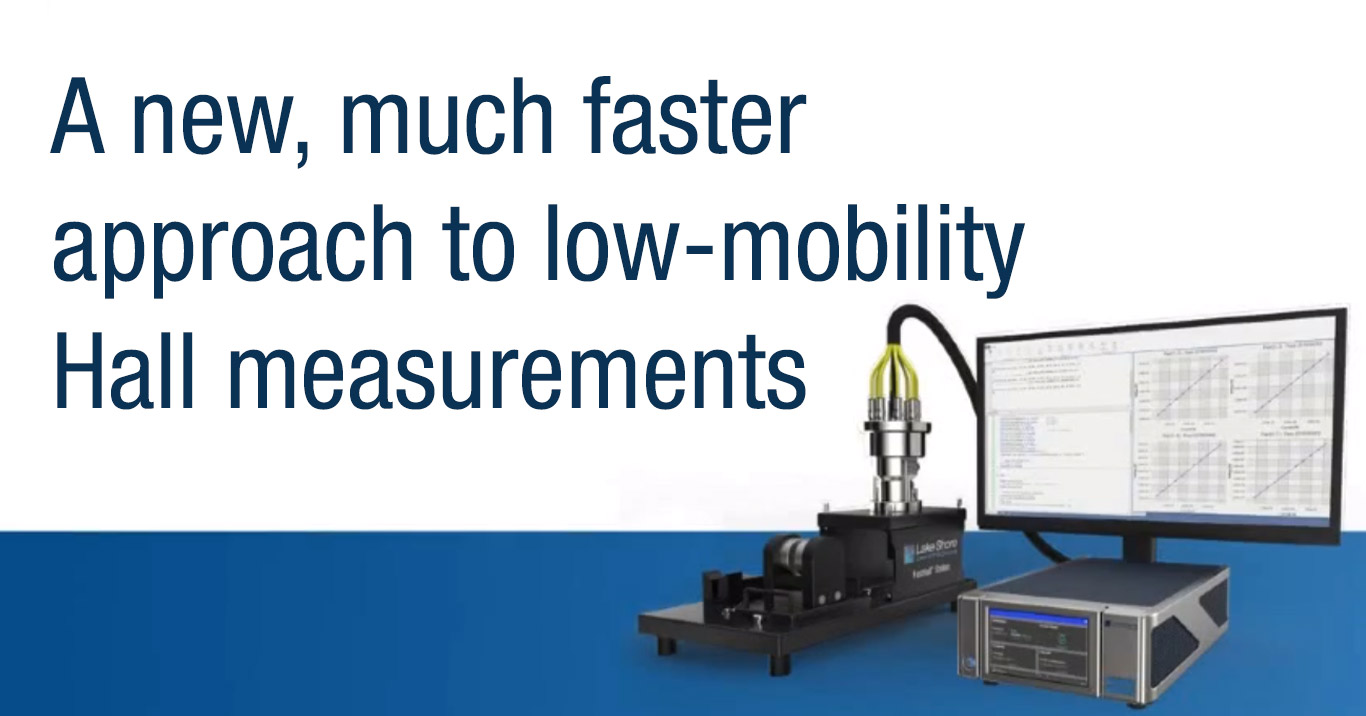
New M91 FastHall controller video highlights how it is simpler, more convenient, and provides better measurements faster than traditional Hall solutions.
In many cases, a DIY solution that pairs a high-speed teslameter and a Hall probe with a motorized platform is better than an expensive off-the-shelf field mapper.
ASC Photonics paper on magneto-optics research references the use of Lake Shore VSM for characterizing thin-film samples used for monolithic optical isolators.
Lake Shore VP of Strategic Planning, Rob Ellis, discusses with AZoNano the benefits of the MeasureReady M91 FastHall measurement controller for researchers
Van der Waals heterostructures offer researchers an opportunity to tailor architectures by 2D material layering; Lake Shore products have aided in this work
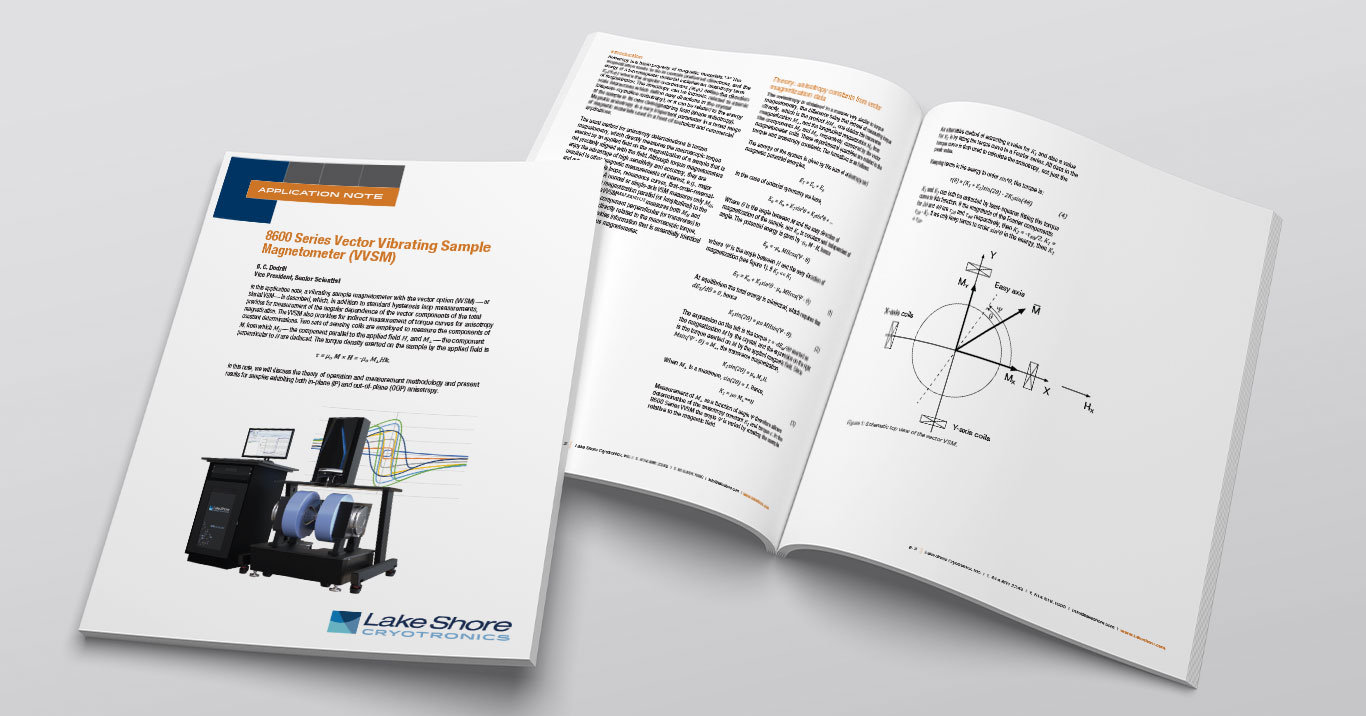
Measuring the magnetic properties of proxy samples aids in palaeoclimatology research. A recently published paper references the use of a Lake Shore 8600 VSM for obtaining magnetic domain state and first-order reversal curve (FORC) data for three multi-proxy lake sediment samples from Tasmania.
A new video from YouTuber and science enthusiast Brainiac75 features our F71 teslameter and 3-axis probe to demonstrate a fascinating property of Earth’s magnetic field that you may not be aware of.
A noteworthy application in which the Model 372 AC resistance bridge has been used by researchers from Brookhaven National Lab and the National High Magnetic Field Laboratory (NHMFL) at Florida State University to accurately and precisely perform resistivity measurements at very low temperatures
The AC field Hall measurement method offers an advantage over the traditional DC method, namely, when tiny Hall voltages are involved, as shown in a Tyndall National Institute paper detailing experiments with phosphorus monolayer doping of silicon on insulator substrates with nanoscale dimensions
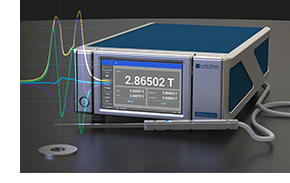
When logging and saving data from Lake Shore teslameters, the new buffered data streaming feature will ensure a consistent interval of field readings streamed to your PC. Watch our latest Collaborators Program video to see this new feature in action in an extreme scenario.
Next week, we will be attending the JEMS symposium in Mainz, Germany, and the ICEC-ICMC conference in Oxford, England, while Cryophysics GmbH, our sales representative in Germany, will be exhibiting at the International Workshop on Sample Environment at Scattering Facilities in Potsdam, Germany.
This video demonstrates the theoretical operation of a DC current and voltage source; animations show an experiment with a source and device being tested, where voltage is represented by the height of the circuit and current is represented by the speed of the particles travelling within the circuit
A recent paper in Particle & Particle Systems details the use of magnetic characterization, including first-order reversal curves (FORCs), supporting research involving the colloidal synthesis of inorganic nanocrystals for future smart material applications.
Watch the quick-look video highlighting the magnetic field measurement capabilities and TruZero technology of the new F71/F41 teslameters with a side-by-side test of the F71 vs. a gaussmeter to show how it ensures fast, always-accurate measurements and why there is no need to zero the Hall probe.